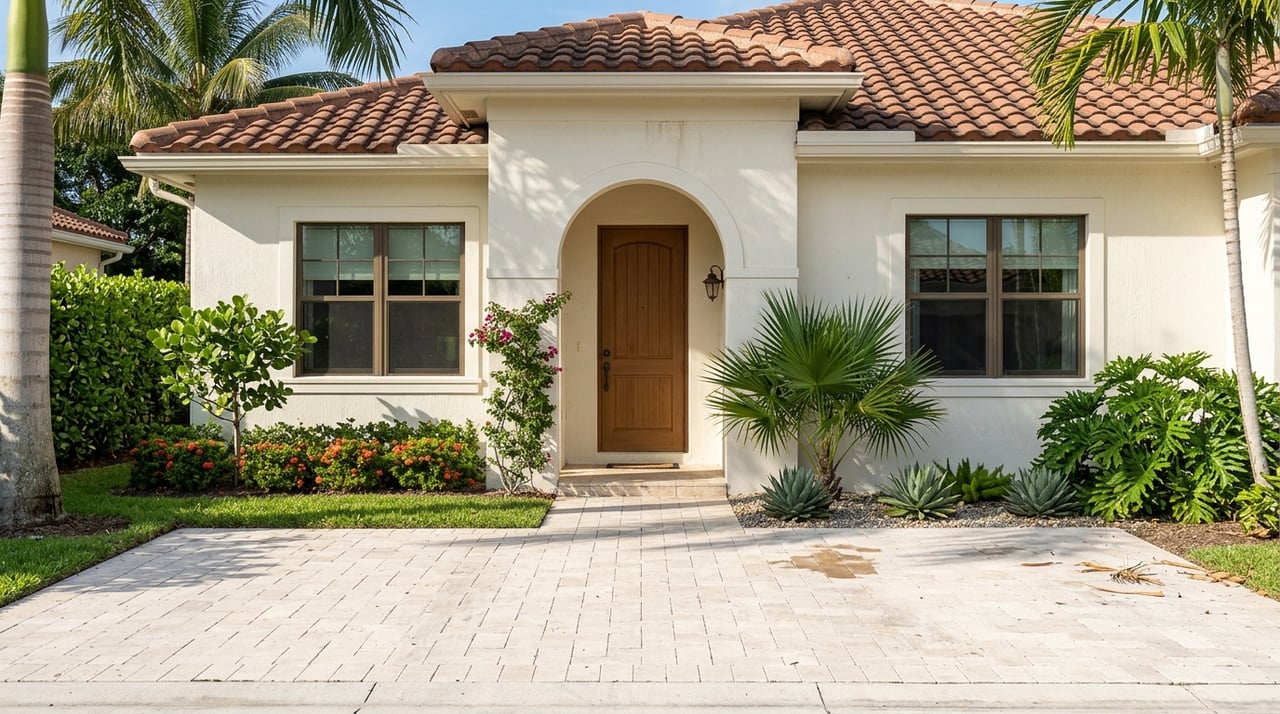
Thinking about moving to Tequesta? If you want a smaller Palm Beach County village with a strong owner-occupied housing base, a mix of single-family homes and condos, and easy access to the water, Tequesta deserves a closer look. Relocating here also comes with practical questions about timing, housing options, flood planning, and how to manage a move from out of state. This guide will walk you through the essentials so you can plan your move with more confidence. Let’s dive in.
Why Tequesta appeals to movers
Tequesta is a compact village in Palm Beach County with an estimated population of 6,285 as of July 1, 2024, according to the U.S. Census QuickFacts for Tequesta Village. The same data shows 2,795 households, an 80.2% owner-occupied housing rate, a median owner-occupied home value of $572,800, and median household income of $98,271.
For many buyers, those numbers suggest a stable, owner-focused community rather than a transient market. Census data also notes that 31.1% of residents are age 65 or older, which helps explain why Tequesta often appeals to a wide range of buyers, including working professionals, households seeking a full-time residence, and retirees.
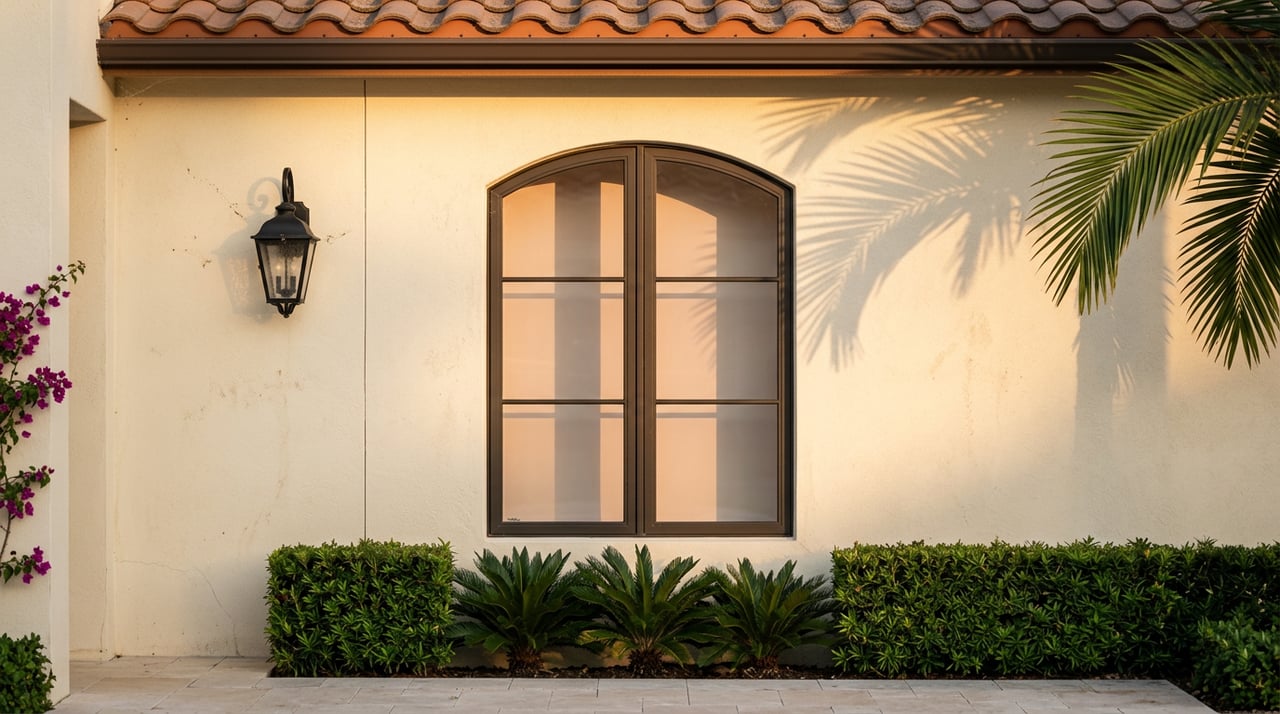
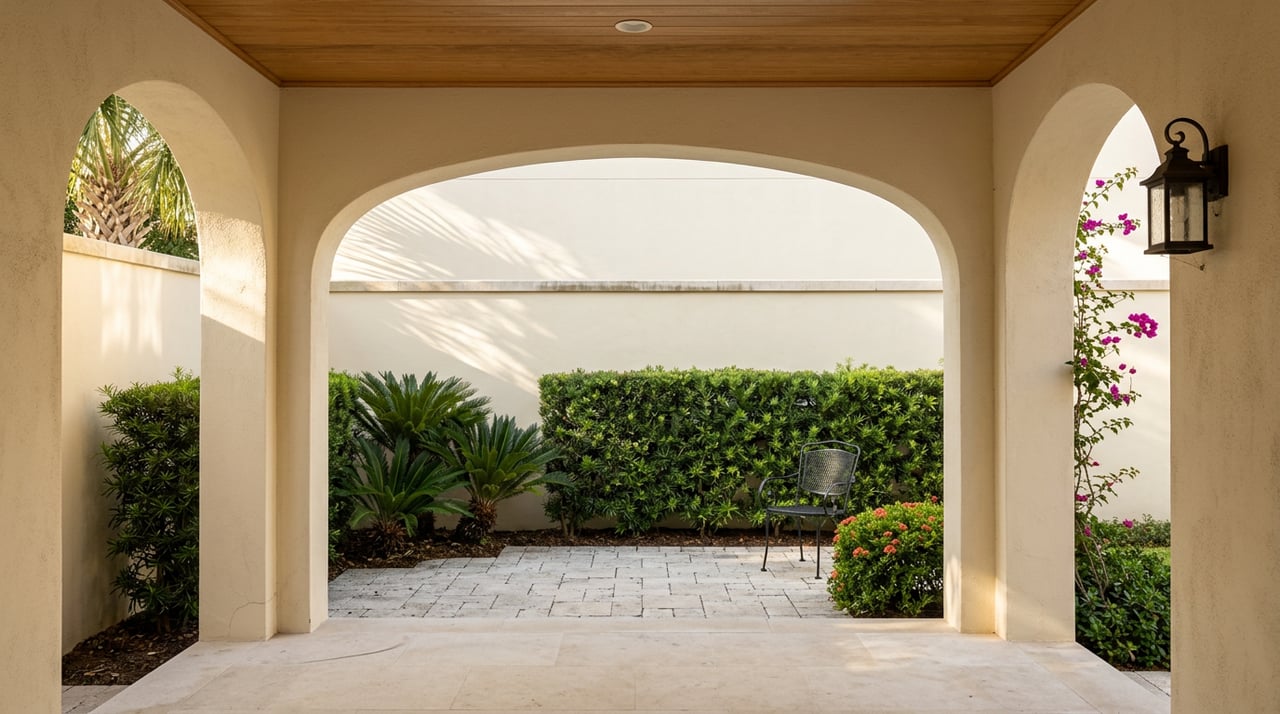
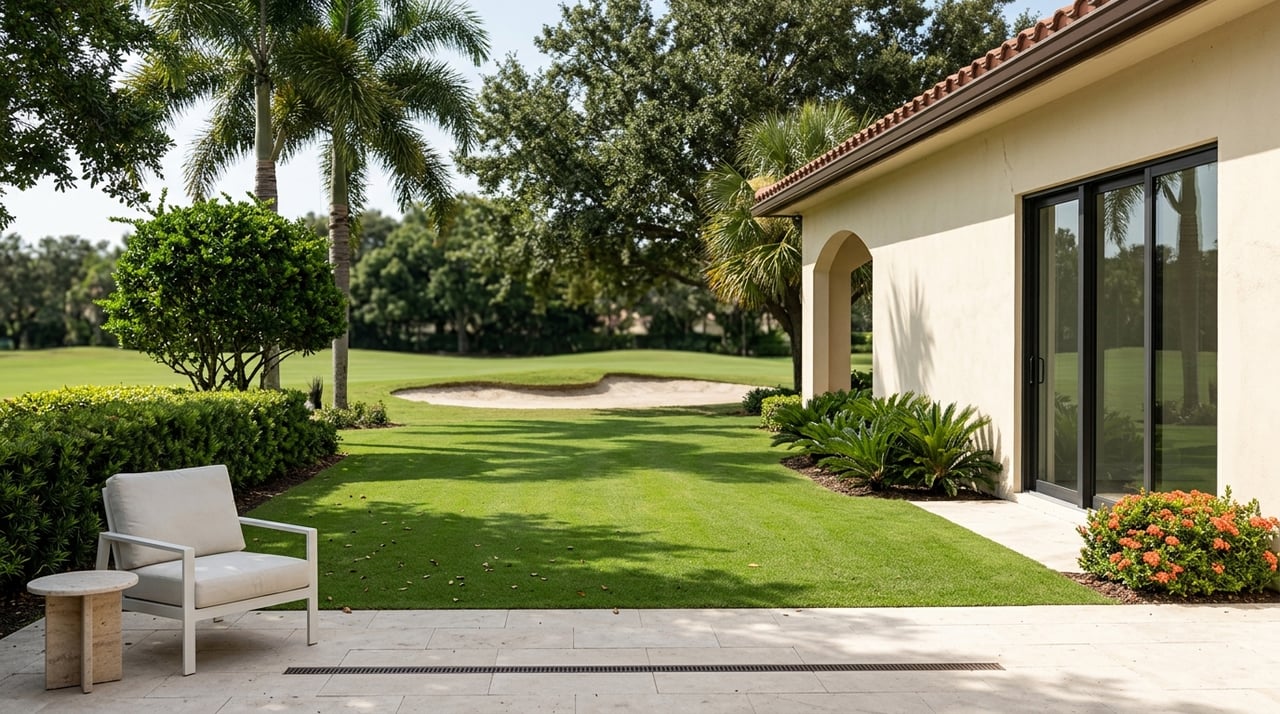
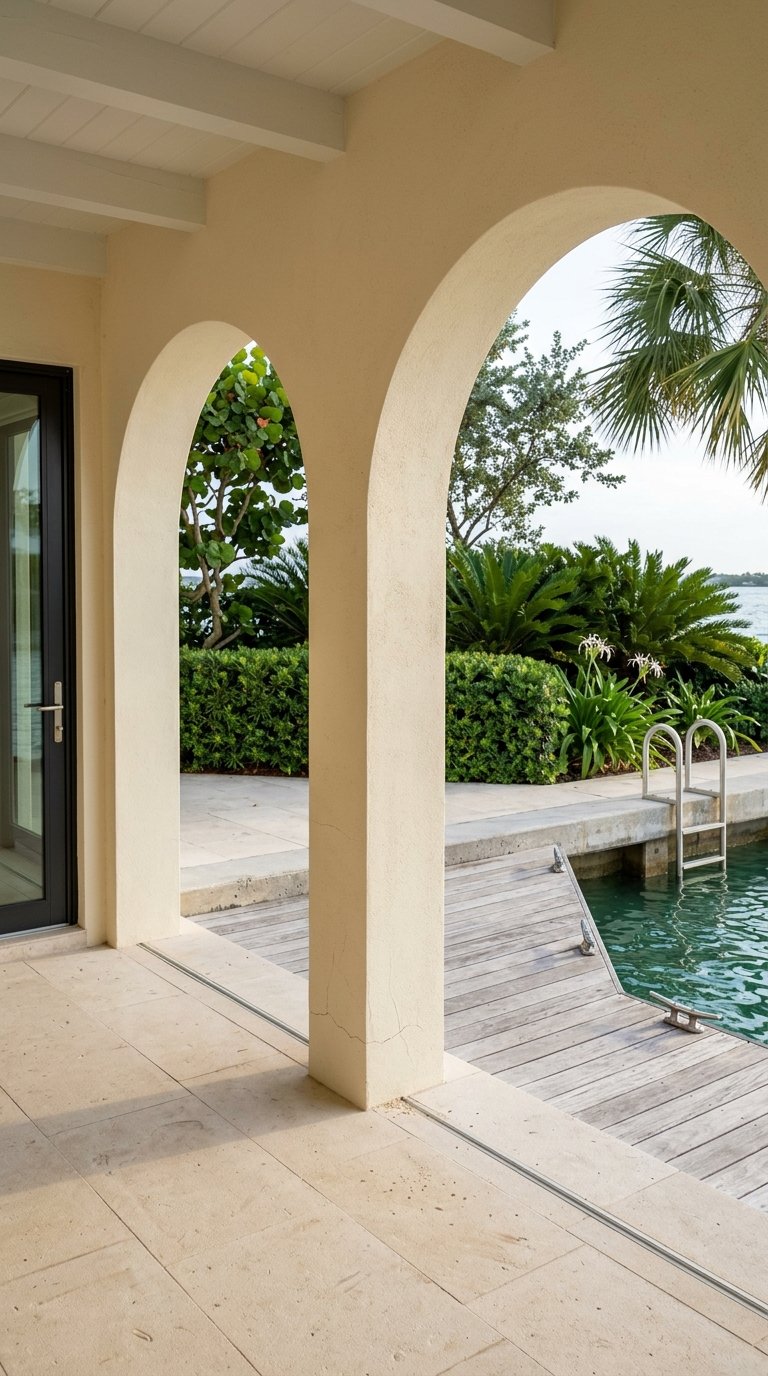
The village describes itself as a place with both single-family neighborhoods and condominium complexes, with frontage along the Loxahatchee River and near the ocean. If you are relocating, that variety matters because Tequesta is not a one-size-fits-all market.
What housing looks like in Tequesta
One of the most important things to understand before you move is that Tequesta is an established village, not a large-scale new construction market. The village notes that it was incorporated on June 4, 1957, and that early development included communities such as Waterway Village and Tequesta Country Club, which was developed on 350 acres with 600 home sites, according to the Village of Tequesta historical overview.
Its land-use pattern reinforces that history. In the village’s planning inventory, low-density residential is the largest land-use category at 30.3%, followed by recreation and open space at 14.9% and water at 20.2%, while vacant land is only 1.8%. In practical terms, that points to a mostly built-out housing market with established neighborhoods, condo communities, golf-oriented areas, and waterfront properties.
For you as a buyer, that means your home search may be less about choosing between dozens of new subdivisions and more about comparing location, lot characteristics, water proximity, renovation level, condo rules, and long-term maintenance needs. A local, neighborhood-level strategy matters here.
Choosing the right housing fit
Because Tequesta has a mix of property types, it helps to narrow your goals early. Your best fit often depends on how you plan to live in the home and how much upkeep you want to manage.
Here are a few practical questions to ask yourself:
- Do you want a single-family home or a condo?
- Are you looking for full-time living, a seasonal property, or an investment-oriented purchase?
- Do you want proximity to the water, golf-oriented surroundings, or a more traditional village-street setting?
- Are you comfortable taking on renovations in an older home, or do you prefer a more updated property?
- If you are buying a condo, what building rules, fees, and maintenance obligations will affect your plans?
These questions are especially important in Tequesta because inventory tends to reflect the village’s established character. The right match is often about understanding the tradeoffs within each micro-location rather than simply picking a price range.
Best time to plan your move
If your schedule is flexible, timing your relocation can make the process easier. South Florida’s wet season runs from May 15 to October 15, when 60% to 70% of the area’s average annual rainfall typically occurs, according to the National Weather Service rainy season outlook.
That season can bring near-daily showers and thunderstorms, high humidity, lightning, flooding, hail, tornadoes, and heat index values that often reach or exceed 100°F in July and August. NOAA’s Atlantic hurricane season runs from June 1 through November 30, with peak activity usually from mid-August through mid-October.
For many relocating buyers, late fall through spring is often the easier moving window. Travel tends to be less weather-sensitive, and inspections, insurance shopping, and move-in coordination may feel more predictable.
Why flood diligence matters in Tequesta
Because Tequesta has a strong waterfront identity, flood planning should be part of your relocation strategy from the start. The village says it sits between the Loxahatchee River, Indian River, and Atlantic Ocean, and it maintains a stormwater management and flood information resource to help protect aquatic resources and guide property owners.
The village’s Building Department recommends flood insurance for all residents because standard homeowners insurance usually does not cover flood damage. It also notes that flood insurance typically has a 30-day waiting period and that some properties may require floodplain development permits and elevation certificates for certain work in a Special Flood Hazard Area.
Palm Beach County also states that updated FEMA flood maps became effective on December 20, 2024, and encourages residents to obtain flood insurance. For you, the key takeaway is simple: verify flood zone, insurance options, and permit history early, ideally before or during your offer and inspection planning.
A practical flood checklist for buyers
If you are moving to Tequesta, keep this checklist handy during your home search:
- Confirm whether the property is in a Special Flood Hazard Area
- Review current flood insurance requirements and estimated cost
- Ask about the property’s permit history for prior improvements
- Determine whether elevation certificates are available, if relevant
- Understand any flood-related requirements before planning repairs or updates
- Factor flood insurance timing into your closing and move-in schedule
This step can save time, reduce surprises, and help you compare homes more accurately.
Moving to Tequesta from out of state
A long-distance move can feel overwhelming, but Florida and the Village of Tequesta offer a few tools that make relocation more manageable. Florida authorizes remote online notarization, which can help out-of-state buyers complete certain closing documents without traveling for every signature.
Tequesta also offers virtual inspections for select permit types through its Building Department, including roofs, windows and doors, water heater changeouts, AC changeouts, and signs. The village says these inspections are performed Monday through Friday from 8:00 a.m. to noon, and requests are due by 3 p.m. the prior day.
On the utility side, the village’s Utilities Customer Portal allows a new owner to transfer water service into their name by email, mail, or in person. The portal also tracks water use hourly and can flag spikes, which may help new or part-time owners catch a leak early.
A smart remote relocation plan
If you are coordinating your move from another state, a clear sequence can make the process smoother. Here is a simple way to think about it:
- Narrow down property type and location priorities
- Review timing around weather and seasonal move logistics
- Verify flood zone, insurance, and permit-related details early
- Plan for remote closing options when available
- Schedule utility transfers before move-in
- Confirm any inspection or post-closing work deadlines
This kind of step-by-step approach is where local guidance can make a real difference. In a village like Tequesta, details matter, especially when homes vary widely by setting, age, and water exposure.
What to expect from an established village market
Tequesta’s appeal is tied to its character as a mature, mostly built-out community. That can be a real advantage if you prefer established surroundings, varied housing choices, and a village setting shaped by water, recreation, and long-standing neighborhoods.
It also means your move may require a more thoughtful review of property specifics than you would expect in a newer community. Items like flood planning, insurance timing, renovation needs, condo rules, and lot location can all have a meaningful impact on your decision.
If you are relocating to Tequesta, the goal is not just to find a house. It is to find the right fit for how you want to live, while planning carefully around the practical realities of South Florida ownership.
Final thoughts on relocating to Tequesta
A successful move to Tequesta starts with clear expectations. You want to understand the housing mix, choose the right time of year to move, and get ahead of flood and insurance questions before they become last-minute issues.
With the right local strategy, you can make a confident move into one of Northern Palm Beach County’s most established waterfront-oriented villages. If you are planning a move and want neighborhood-level guidance tailored to your goals, connect with Bradley Hurst for a practical, data-informed approach to your Tequesta relocation.
FAQs
What is the housing market like in Tequesta, Florida?
- Tequesta is an established, mostly built-out village with a mix of single-family neighborhoods and condominium complexes, rather than large areas of new construction.
When is the best time to move to Tequesta, Florida?
- If you have flexibility, late fall through spring is often easier because South Florida’s wet season runs from May 15 to October 15 and hurricane season runs from June 1 to November 30.
Do buyers need flood insurance in Tequesta, Florida?
- The Village of Tequesta recommends flood insurance for all residents because standard homeowners policies usually do not cover flood damage, and some properties may have additional flood-related requirements.
Can you buy a home in Tequesta, Florida from out of state?
- Yes. Florida allows remote online notarization for certain closing documents, and Tequesta offers remote-friendly tools such as virtual inspections for select permit types and utility transfer options.
What should relocating buyers verify before buying in Tequesta, Florida?
- Relocating buyers should verify the property type, flood zone, insurance costs, permit history, and move timing early in the process.