If you want the feel of a quiet island neighborhood with the ocean, inlet, and Intracoastal all within a short walk, Jupiter Inlet Colony belongs on your list. With so few streets and homes, every parcel here is unique, and small details make a big difference in value and lifestyle. In this guide, you’ll learn how lot orientation affects boating and beach access, what zoning allows you to build, and the key permits, utilities, and insurance checks to complete before you tour. Let’s dive in.
Why Jupiter Inlet Colony stands out
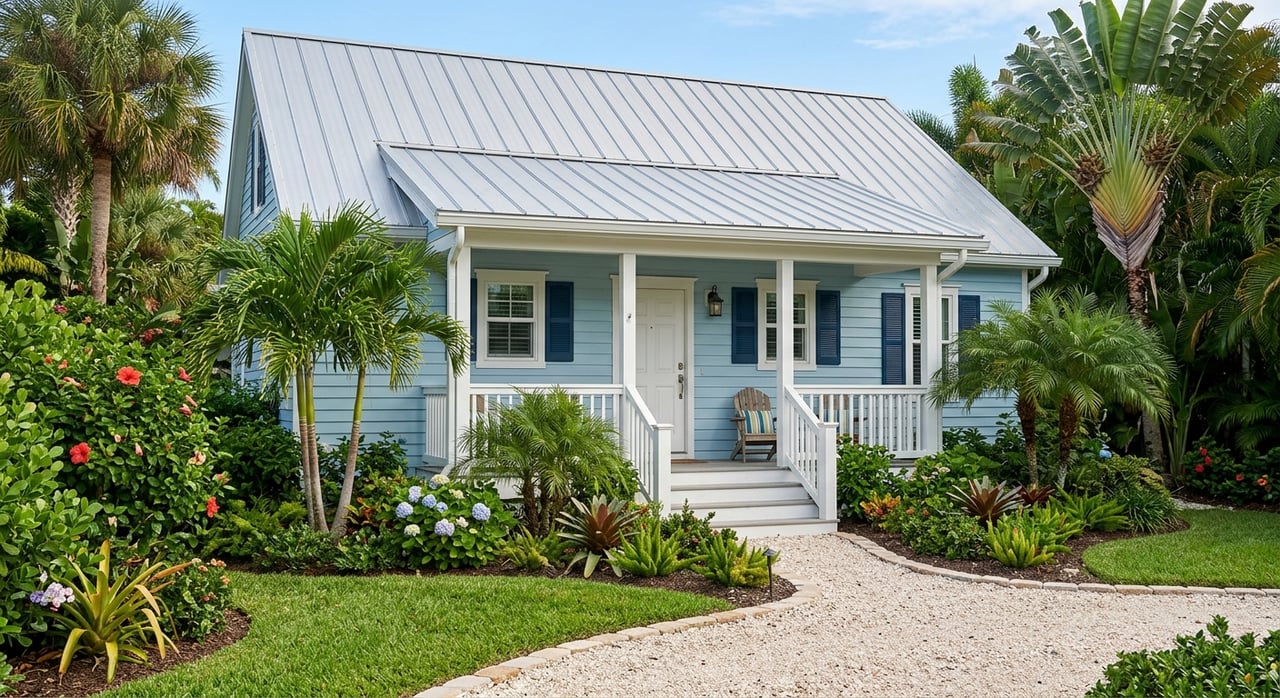
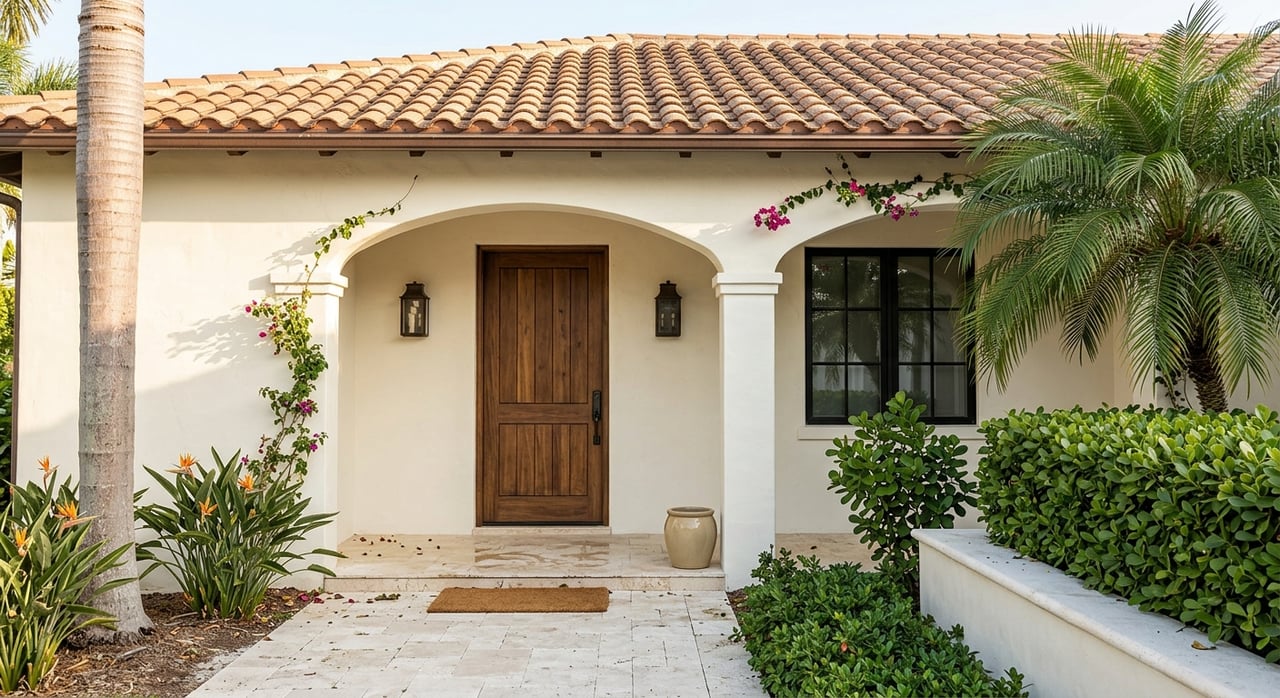
Jupiter Inlet Colony is an incorporated beach town with its own local government and services. It sits at the tip of the Jupiter Inlet peninsula, surrounded by water on nearly all sides, which creates a calm, low‑rise residential setting. The town emphasizes privacy, modest building scale, and a small‑town feel while remaining minutes from mainland amenities in Jupiter and Tequesta. You can explore official town resources and contacts on the Town of Jupiter Inlet Colony website.
Inventory is always limited. There are only so many oceanfront and Intracoastal lots, and many homes are either renovated cottages or full rebuilds that respect the town’s scale. You will also see listings mention optional beach‑club or marina memberships. Treat those as property‑specific. Always verify whether a membership, dock, or slip actually conveys with the home.
Homes and lot orientation
Not all lots live the same way here. Orientation shapes your views, daily routine, and design choices.
Ocean‑facing lots
These east‑facing parcels deliver direct beach proximity and sweeping Atlantic views. They also see more exposure to coastal erosion and storm surge, and they trigger stricter coastal permitting. If you plan exterior work near dunes or on shoreline structures, budget extra time for approvals.
Intracoastal and inlet lots
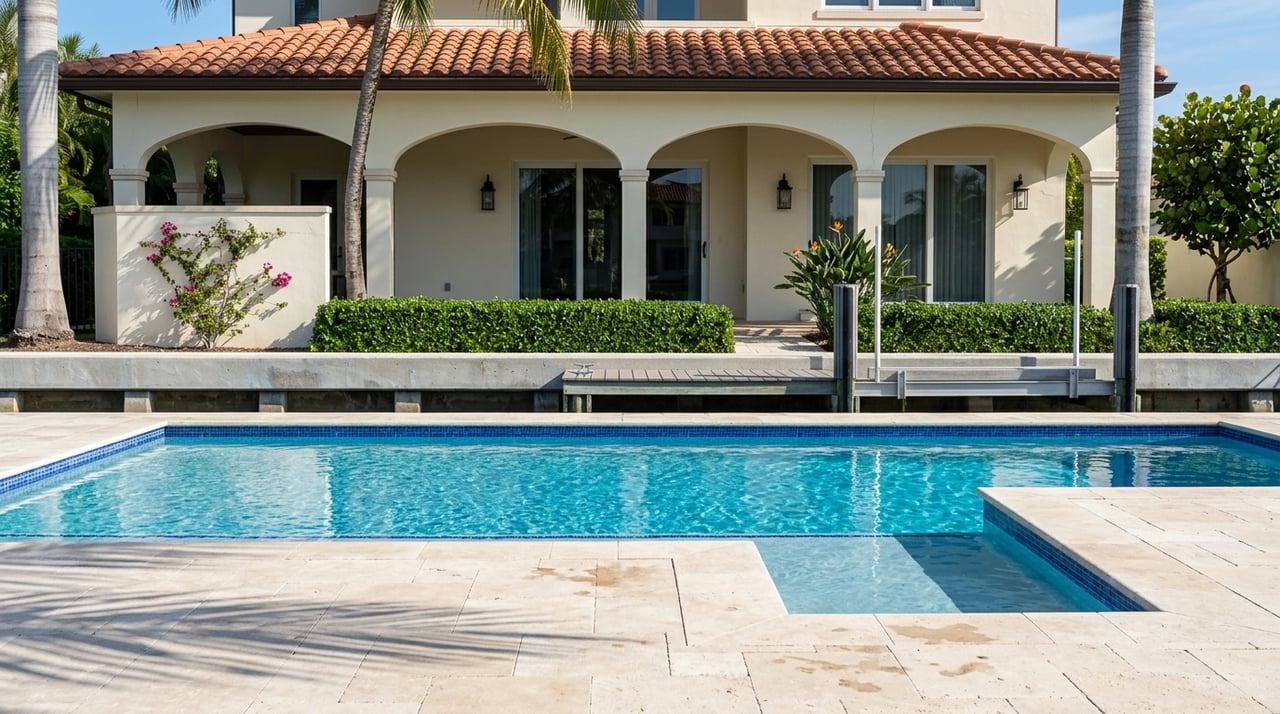
West and south exposures face the Intracoastal or the inlet and can offer deeper water access and easier boating. Confirm channel depth, dockage rights, and the condition and age of any bulkhead or seawall. Ask for surveys that show the waterfront line and any recorded easements.
Interior lots
Interior parcels are typically quieter and can offer more flexible build envelopes. You will walk a short distance to the beach or club access points. If privacy matters most and you are less focused on docking a boat, these lots can be a strong value.
Zoning and what you can build
The town’s zoning preserves a low‑rise, village character. That means design plans need to fit within strict height, coverage, and privacy rules.
- Height cap. The town limits maximum building height, which effectively constrains two‑story massing and rooftop concepts for most single‑family homes. See the town’s zoning ordinance for height and lot‑coverage standards in Ordinance 06‑2018.
- Floor‑area ratios and second stories. Combined first and second floor area is limited relative to lot size, and second‑story square footage is restricted as a fraction of the first. If you are eyeing a major addition, get a parcel‑specific envelope sketch early.
- Rooftop and privacy rules. Second‑story windows, terraces, and rooftop decks are subject to privacy and placement controls. Review the town’s rooftop provisions in Ordinance 07‑2019.
- Minimum floor area and setbacks. New single‑family homes must meet a minimum habitable floor area, and front, rear, and side setbacks apply. The exact figures can change, so confirm current standards with Building & Zoning before you design.
Bottom line: a perceived opportunity to add square footage may be limited by ratios, setbacks, and height caps. Plan a zoning check with the Town’s Building & Zoning office before you commit to a design or contract.
Beach, marina, and shoreline access
Beach ownership and access vary by parcel. The town owns a portion of the public beach, and individual oceanfront owners also control frontage or private‑use areas. The Town has discussed long‑term access agreements for maintenance and renourishment with the Jupiter Inlet Beach Club. If beachfront access is important, review the parcel’s deed, survey, and any recorded easements, and see the Town’s discussion items in the February 10, 2025 agenda.
For boaters, a small adjacent facility, the JIB Yacht Club & Marina, operates wet slips. Slip availability, transfer rules, and parking are governed by the marina and local approvals. If a listing mentions a slip or membership, confirm whether it conveys, whether it is separate, and what the waitlist or transfer process looks like. The Town’s January 13, 2025 materials summarize current context for the JIB Yacht Club & Marina.
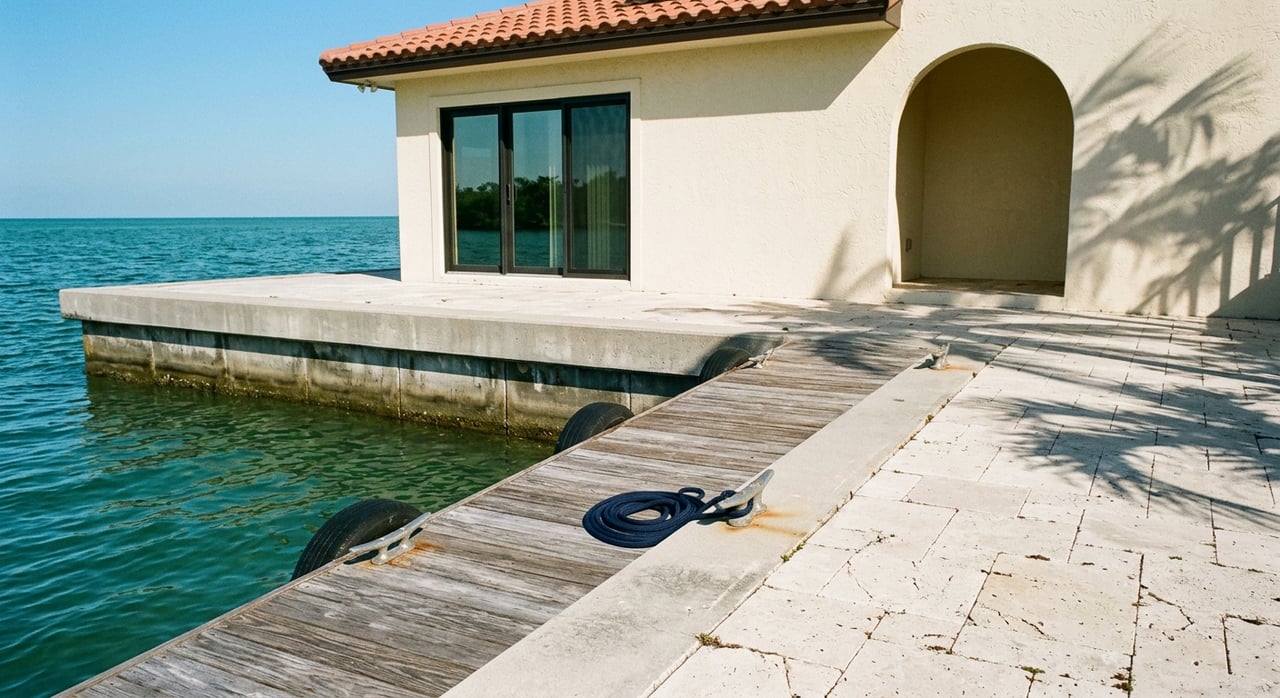
Along the shoreline, expect seawalls or revetments on many oceanfront properties. Ask for the age and maintenance history, engineer reports, and any permits tied to repairs. Also confirm who is responsible for renourishment access and how seasonal rules affect mechanical work on the beach.
Town services and utilities
Jupiter Inlet Colony maintains on‑island police with community programs, including a house‑watch service for residents. For details and non‑emergency contacts, visit the Town Police page. Fire and rescue services are provided through regional partners. It is smart to confirm which agency covers your address and typical response times.
Most properties are connected to public water and sewer. The Village of Tequesta’s service area extends to Jupiter Inlet Colony, so you can verify utility context in Tequesta’s technical and utility planning documents. Electric service and undergrounding vary by block. Ask the listing agent for a full utility sheet, including electric provider, meter types, and any recorded easements.
Risks, insurance, and seasonality
The peninsula’s beauty comes with coastal exposure. Palm Beach County’s hazard planning documents list Jupiter Inlet Colony among coastal communities with elevated sea‑level and storm‑surge vulnerability. Review FEMA flood maps, obtain an elevation certificate, and check private flood indices. You can read the county’s current perspective in the Local Mitigation Strategy.
If the property is in a FEMA Special Flood Hazard Area and you use a federally related mortgage, your lender will require flood insurance that meets National Flood Insurance Program criteria. Some loans accept private flood if it meets Federal standards. Learn more about the rules in FEMA’s guidance on the mandatory purchase requirement.
Expect coastal insurance premiums for wind and flood to be higher than inland. Do not rely on a seller’s historic costs. Get firm quotes for homeowners, wind/hurricane, umbrella, and flood coverage early in due diligence.
Sea turtle nesting season, commonly observed March 1 through October 31 along this stretch of the Atlantic, affects beachfront lighting, mechanical beach cleaning, and any dune work. Review state guidance on protected activities and timing in the Florida Fish & Wildlife Conservation Commission’s beach‑cleaning guidelines.
Your buyer due‑diligence checklist
Here is a concise checklist to request and review before you spend time on in‑person showings:
Parcel and legal
- Current deed and legal description.
- Complete, current boundary and elevation survey showing lot lines, dune or seawall location, and any encroachments.
- Recorded easements for beach access, renourishment access, or utilities.
Zoning and permitting
- Official zoning designation and permitted uses.
- Any open or recently closed code‑enforcement matters.
- A preliminary building‑envelope sketch from the Town showing setbacks, lot coverage, and any floor‑area limits.
Waterfront and shoreline
- Seawall or bulkhead permits, age, and repair history with engineer reports.
- Beach ownership line and any deeded beach rights.
- Whether a Beach Club or marina membership exists, if it is transferable, and what fees apply.
Utilities and services
- Water and sewer provider confirmation and connection type.
- Electric provider and whether the block is undergrounded.
- Garbage and recycling schedule and any special pickup rules.
Flood and insurance
- FEMA FIRM panel and current flood zone designation.
- Seller’s elevation certificate, if available.
- Firm quotes for homeowners, wind, and flood coverage from licensed carriers.
Seasonal and environmental
- Any permits affecting dunes or beach access.
- Lighting plans and beach‑work timing in light of sea turtle season.
Transactional basics
- Recent comparable sales and current annual property taxes from the county.
- Any special assessments or municipal fees.
- If rental use is part of your plan, written confirmation of local rental rules and permit requirements.
Work with a local, analytical advisor
In a small market like Jupiter Inlet Colony, small details decide outcomes. A thoughtful plan for lot orientation, code feasibility, shoreline condition, and insurance can protect your time and help you buy with confidence. If you would like a property‑by‑property feasibility review and a private search strategy tailored to your goals, connect with Bradley Hurst for a confidential buyer consultation.
FAQs
Is Jupiter Inlet Colony an HOA or a town?
- It is an incorporated town with its own local government and services, not an HOA. Property‑specific rules still apply through zoning and recorded easements.
Can I build a two‑story home here?
- Two stories may be possible, but height caps and second‑story floor‑area ratios limit massing. Get a parcel‑specific zoning review and envelope sketch before you design.
Do homes include beach club or marina access?
- Access and memberships are property‑specific. Some listings offer optional Beach Club or JIB Marina membership or a slip, but you must verify whether it conveys or is separate.
How risky is flooding on the peninsula?
- Coastal exposure is elevated compared with inland areas. Always obtain an elevation certificate, review FEMA mapping, and secure firm flood and wind insurance quotes early.
Who provides water, sewer, and safety services?
- Most homes connect to public water and sewer through regional providers, and the town maintains on‑island police with community programs. Confirm exact service providers for each address.