Torn between a single-family home in Ridge at the Bluffs and the simplicity of a Jupiter condo? You are not alone. Both options in 33477 put you close to the beach, but they deliver very different day-to-day experiences, costs, and long-term flexibility. In this guide, you will see how maintenance, amenities, beach access, layout, financing, and rental rules compare so you can choose with confidence. Let’s dive in.
Ridge at the Bluffs: What you get
Ridge at the Bluffs is a 618-home HOA community in Jupiter’s 33477. You get neighborhood-scale amenities that support an active lifestyle, including a large pool with children’s wading pool, two tennis courts, four pickleball courts, a playground, a basketball court, and tree-lined sidewalks. You can review the full amenity list on the community’s official HOA page.
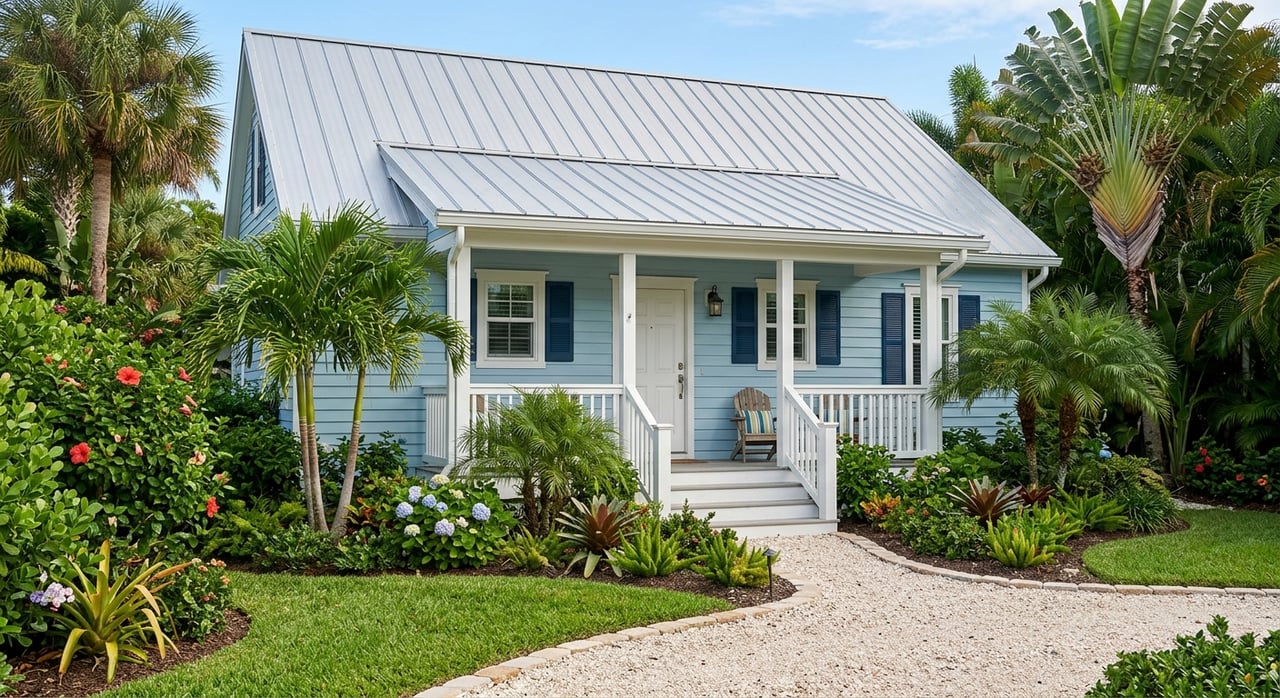
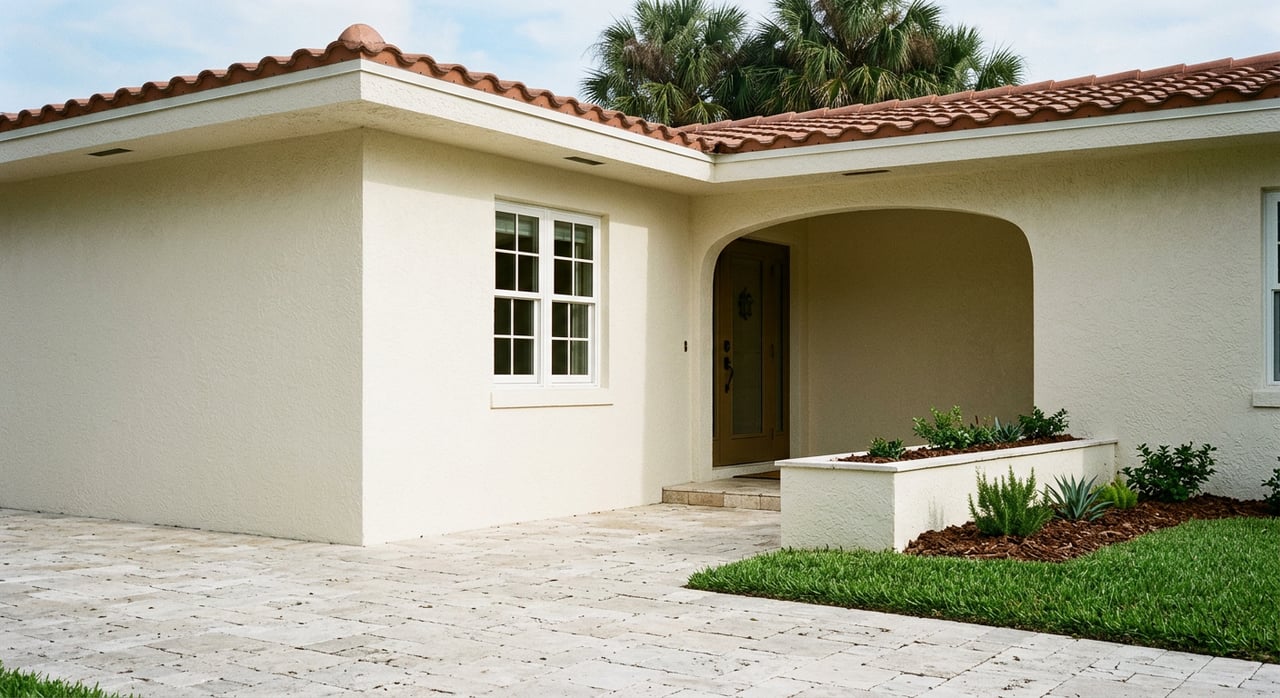
Many Ridge homes were built in the mid-1980s with CBS masonry construction. One-story floor plans are common, often 3 bedrooms and 2 baths around roughly 1,800 to 2,200 square feet, with features like vaulted ceilings and private patios. These layouts appeal if you want a single-level plan and a private yard.
Recent listings in Ridge often land in the low-to-mid seven-figure range, with examples commonly around 1.09 million to 1.55 million depending on lot, size, and updates. Numbers change quickly, so use current comps at offer time.
HOA fees shown on recent listings have been about 300 dollars per month, though dues can vary by parcel and year. Always verify current dues, pending assessments, and reserves through an estoppel letter and HOA budget.
If you plan to rent, know the rules. The HOA’s leasing packet states owners may complete only one rental within a twelve-month period and that the Board must approve leases. The packet also puts responsibility on owners for exterior and yard items called out in the documents. Review the association’s “Application for Lease & Occupancy” on the HOA website before you buy.
For beach access, Ridge sits just west of U.S.-1, so many residents walk or bike to nearby beach entrances and the Bluffs shopping area. Everyday errands are often still car trips, but the beach and local conveniences are close by.
Jupiter condos: What you get
Jupiter’s condo options near the beach range from low-rise to mid-rise buildings with private or easement beach access. Many offer on-site or staffed management, elevators, covered parking, and resort-style amenities. That convenience shows up in the dues. Common charges typically run from the mid-triple digits to low four digits each month depending on the services included. For example, an ocean-view unit at Ocean at the Bluffs shows monthly common charges of 1,168 dollars on a recent listing. You can see a representative example on this oceanfront condo listing.
What do those dues cover? In condos, association fees usually include the master insurance policy for the building shell and common elements, exterior and roof maintenance, elevators and shared mechanicals, and common-area upkeep. Florida’s condominium law outlines association and owner responsibilities, which helps explain why condo dues are higher than a single-family HOA fee. For background on how Florida condominiums operate, review Florida Chapter 718.
Insurance works differently too. Condo owners typically carry an HO-6 policy for the interior, contents, liability, and potential loss assessments. Single-family owners usually carry an HO-3 or HO-5 policy that insures the structure itself. That difference affects premiums and exposure to assessments after major events. For a simple overview of condo insurance basics, see this HO-6 explanation.
Financing can also differ. Lenders underwrite the condo project as well as the buyer. Low reserves, high delinquency, high investor concentration, or litigation can limit conventional financing and make FHA or VA approval harder. If you need those loan types, confirm whether the building is approved or eligible for single-unit approval. For details on project underwriting, review the Fannie Mae Selling Guide.
Side-by-side: daily life and long-term flexibility
Maintenance and who does what
- Ridge single-family: You are responsible for your home’s exterior, roof, driveway, and yard or irrigation. The Ridge lease packet is clear that owners handle exterior inspections and can be liable for exterior repairs tied to renter negligence. The HOA maintains common areas and amenities. Review the maintenance and leasing language in the HOA packet.
- Condos: The association handles building exteriors, roofs, elevators, and common systems. You are responsible for the interior. This lowers hands-on upkeep but comes with higher monthly dues and potential exposure to special assessments for building-level projects. See Florida’s condo framework in Chapter 718.
Amenities and convenience
- Ridge: Neighborhood amenities include a large pool, pickleball and tennis, playgrounds, and sidewalks. You also get a private yard and garage. Shops and beach access are nearby, though most errands are still by car. Explore amenities on the Ridge HOA site.
- Condos: Many buildings provide direct beach access, on-site management, elevators, covered parking, and sometimes a gym. You trade yard space for shared amenities and a lock-and-leave lifestyle.
Layouts, privacy, and noise
- Ridge: One-story, three-bedroom plans are common, with private yards and more space from neighbors. This setup suits people who value outdoor private space and fewer shared walls.
- Condos: You often have a smaller interior footprint with a balcony instead of a yard. Shared walls and vertical living can mean more neighbor noise, but you are closer to sand, restaurants, and services.
Costs, fees, and insurance
- Ridge: Typical HOA dues are about 300 dollars per month in recent listings, but you should budget separately for roof replacement, exterior care, landscape, pest control, and any private pool service.
- Condos: Dues are higher because they include building-level items like the master insurance policy and common systems. The example ocean-view unit shows 1,168 dollars per month in common charges. Confirm the association’s insurance summary and reserve study before you commit.
Financing, resale, and flexibility
- Condos: Project-level issues can limit loan options and narrow the buyer pool, which can affect resale. Check conventional warrantability and any FHA or VA approvals early. The Fannie Mae guide explains many of these requirements.
- Ridge: Financing is typically more straightforward since lenders underwrite a single-family home and the individual borrower. Community-wide concerns like special assessments can still matter, so review HOA health.
Rental rules and income potential
- Ridge: The HOA permits only one rental within a twelve-month period and requires Board approval. That is a material limit on short-term or frequent renting. Review the Ridge leasing packet.
- Condos: Policies vary by building. Some allow seasonal rentals, while others require longer minimum leases or prohibit short-term stays. Verify any building’s rental policy, local rules, and demand before you buy.
Quick comparison at a glance
| Category | Ridge at the Bluffs (single-family HOA) | Jupiter beach condos |
|---|---|---|
| Monthly association dues | Around 300 dollars in recent listings | Mid-triple digits to low four digits; example 1,168 dollars |
| What the fee covers | Neighborhood amenities and common areas | Building master insurance, exterior/roof, common systems, shared amenities |
| Owner responsibilities | Exterior, roof, yard, private systems | Interior unit; association handles exterior and common elements |
| Beach access | Short walk or bike to the beach | Often direct or easement beach access |
| Rental rules | One rental per 12 months with Board approval | Varies by building and lease minimums |
Decision checklist
Use these questions to clarify what matters most:
- Do you want a private yard and garage, or would you prefer a lock-and-leave lifestyle with minimal exterior maintenance?
- Is immediate, direct beach access essential, or is a short walk or bike ride fine?
- How much fixed monthly fee are you comfortable paying in exchange for building insurance and services? Compare realistic HOA or condo dues with a home maintenance budget.
- Do you plan to rent the property? If yes, does the community’s rental policy align with your plan? Ridge allows only one rental within a twelve-month period with Board approval. Review the Ridge leasing packet.
- Will you need FHA or VA financing now or for future resale? Ask a lender about condo project approvals and single-unit options. The Fannie Mae guide outlines conventional project standards.
- Do you value more privacy and separation from neighbors, or do you want closer walkable access to beachfront and restaurants that many condos provide?
What to verify before you choose
Before you submit an offer, gather and review these items:
- Ridge at the Bluffs: official HOA governing documents and the leasing packet. Start with the HOA website.
- Request an estoppel letter that confirms current dues, assessments, violations, and compliance items.
- Obtain the association’s insurance summary, current budget, and the latest reserve study. For condos, add recent engineering or inspection reports and board meeting minutes.
- Confirm whether a condo is warrantable for conventional lending and whether FHA or VA approvals apply. See the Fannie Mae Selling Guide and consult your lender early.
- Speak with a local lender upfront if you are leaning condo. Project-level flags can surface before you write an offer.
Bottom line
If you want a private yard, one-story living, and neighborhood amenities with a lower fixed monthly fee, Ridge at the Bluffs is a strong fit. If you prefer direct beach access, elevators, and building-level services wrapped into a single monthly payment, a Jupiter condo may suit you better. Both options put you in prime 33477 locations. The right choice comes down to how you want to live, what you want to spend monthly, and how you might use the property over time.
Ready to compare specific homes and buildings, side by side? Reach out to Bradley Hurst for a local, analytical walkthrough of Ridge at the Bluffs and Jupiter’s top condo communities.
FAQs
What are the main differences between Ridge at the Bluffs and Jupiter condos?
- Ridge offers single-family living with a private yard, garage, and neighborhood amenities, while condos trade private outdoor space for direct beach access, elevators, and building-level services wrapped into monthly dues.
How much are typical monthly fees for Ridge at the Bluffs vs condos in 33477?
- Recent Ridge listings show dues around 300 dollars per month, while beach condos often range from mid-triple digits to low four digits, with an example at 1,168 dollars per month. Always verify current figures.
What does condo insurance cover compared to a single-family policy?
- Condo owners usually carry an HO-6 policy for interior coverage and loss assessments, while single-family owners typically carry HO-3 or HO-5 policies that insure the structure itself. See this HO-6 overview for basics.
Can I rent my Ridge at the Bluffs home seasonally?
- The HOA’s leasing documents state owners may complete only one rental in a twelve-month period and the Board must approve leases. Review the Ridge leasing packet for full details.
What should I check before buying a condo in Jupiter?
- Ask for the association’s budget, reserve study, master insurance summary, recent engineering or inspection reports, and board minutes. Confirm financing options and project approvals using the Fannie Mae guide.
How close is Ridge at the Bluffs to the beach and shopping?
- Ridge sits just west of U.S.-1, so many residents walk or bike to beach access points and the nearby Bluffs shopping area, while most day-to-day errands are still performed by car.