Drive north on US-1 past Bridge Road on a Saturday afternoon and the village looks the same as it did a decade ago. Live oaks, low-slung shopping strips, the brewery patio filling up by two. Look closer and there is a different story running underneath. A 41-acre park just changed hands. A guacamole franchise and a barbecue operation opened within a few months of each other on the same stretch of road. The village council is arguing about ballfield lighting.
The thread connecting all of it is demographic. Tequesta is getting younger, and the businesses and civic conversations of 2026 are catching up to a resident base that no longer matches the postcard version of the village.
The Park Transfer Is a Demographic Tell
On June 1, 2026, the state formally handed Tequesta Park to the village. That sounds like a paperwork event. It is not. The village had been running the 41-acre site on the state's behalf since the 1970s, spending roughly $250,000 to $300,000 a year to maintain it. What the transfer actually did was remove the last excuse for treating the park like a caretaker property.
The current wish list, drawn from the village's parks master plan, reads like a list assembled by parents of grade-schoolers. New batting cages. Lighted baseball fields. A concession stand. Sand volleyball courts. A shaded playground. A multiuse field. A splash pad. Mayor Molly Young, quoted in local reporting, put it plainly:
I hear from so many people from the community that they just can't wait until these fields are improved. People can't find space to play volleyball for youth sports.
That is not a retirement village talking. It is the reason to read the master plan seriously rather than as bureaucratic wallpaper.
The counter-current came from Council Member Rick Sartory, who supports improvements but has questioned whether the village can actually fund the full plan. His concern got sharper after the state floated raising the homestead exemption to $250,000, which would compress village property tax revenue at the exact moment the ballfields need capital. A state grant is covering 47% of the $500,000 design cost, and Palm Beach County's November parks bond will not reach Tequesta Park because the parcel sits in Martin County. The math is real. So is the pressure from the families showing up to council meetings.
For a resident, the practical read is this: the pickleball courts, tennis courts, and dog park will keep improving because those have been the recent priorities and they serve every age group. The big-ticket family amenities are coming, but on a phased timeline that will probably stretch several budget cycles. If you have kids in youth sports now, the near-term reality is still the current fields. If you are planning for kids over the next five to seven years, the trajectory is finally pointed the right direction.
The US-1 Corridor Is Answering the Same Question
The retail story mirrors the civic one. The two most recent food additions on the US-1 spine are not fine-dining destinations aimed at seasonal residents. They are volume operations built for families and weekday lunches.
| Opening | Address | Format | Notable |
|---|---|---|---|
| Guaca Go | 181 US-1 | Fast-casual bowls, made-to-order guacamole | Opened Feb 2, 2026; brand's first franchise location; operators Fab Nunez and Jessie Sequeira |
| Tequesta Smokehouse | 287 S US Hwy 1, inside Tequesta Brewing Co. | Quick-service BBQ, Fri–Sun until sellout | Same ownership as Hog Snappers in the same building; full-service dining and full bar targeted by end of 2026 |
Guaca Go's opening promotions tell you who they think the neighbor is. A giveback day for My Brother Rocks The Spectrum Foundation, a play gym for children of all abilities. A community appreciation day discounting first responders, nurses, teachers, and students. Those are audiences a village markets to when families and school-age kids are a growing share of the customer base.
Tequesta Smokehouse is a different mechanism but the same signal. Tequesta Brewing had operated with beer and wine only, and Campbell, who bought Hog Snappers in 2018 and owns the smokehouse, told Business Debut the primary purpose of the new concept was adding a serious food program to the brewery. Barbecue plus a brewery is a family-friendly, all-ages format. A 60-seat capacity across the indoor dining area and patio is small enough to feel like a neighborhood spot and large enough to absorb a Saturday soccer team.
Neither of these is a destination restaurant. Both are the kind of place a household eats at three times a month.
The Anchors That Still Hold
None of this is displacing the old Tequesta. The village still runs on a familiar set of anchors, and if you have lived here five years or fifty, these are the reasons the calendar fills up:
- Constitution Park concert series at 594 N Dover Rd, the standing outdoor live-music evenings the village runs through its Parks and Recreation department.
- Tequesta Fest, held January 24, 2026 at Constitution Park, free for village residents.
- Tiki 52 on US-1, the open-air tiki-hut bar and grill that pulls in both regional bands and national touring acts.
- Loxahatchee River Center, the small aquarium and river-education facility near the inlet, one of the most consistently well-rated attractions in the area.
- Tequesta Brewing Co., still open six days a week from noon to 11 p.m., closed Mondays, and now with barbecue attached on weekends.
What is new in 2026 is not that these institutions have changed. It is that the village is adding capacity around them rather than replacing them.
What This Means for the Next Twelve Months
Three things are worth watching if you live here.
First, the parks master plan is going to keep producing council debate through the fall budget cycle. If you care which order the ballfields, splash pad, and volleyball courts get built, this is the year the sequencing gets locked in. Village Council meetings and Development Review Committee sessions at Village Hall, 345 Tequesta Drive, are the place that argument happens.
Second, expect more US-1 turnover. The Tequesta Smokehouse pattern of finding an underused space attached to an existing operator and adding a food program is a template. Campbell described his approach as looking for "valuable gems" and turning them around, and the same logic applies to any village storefront currently running below capacity. The Development Review Committee's February 2026 review of a 24-unit planned residential development on County Line Road is a related signal on the housing side.
Third, the demographic shift is not going to reverse. The younger-family energy behind the park conversation is the same force that made a first-franchise location choose 181 US-1 and made a brewery decide it needed weekend barbecue. If you have been in Tequesta long enough to remember when the village really was mostly retirees, the last three years have not been a blip. The 2026 openings are the retail-side confirmation.
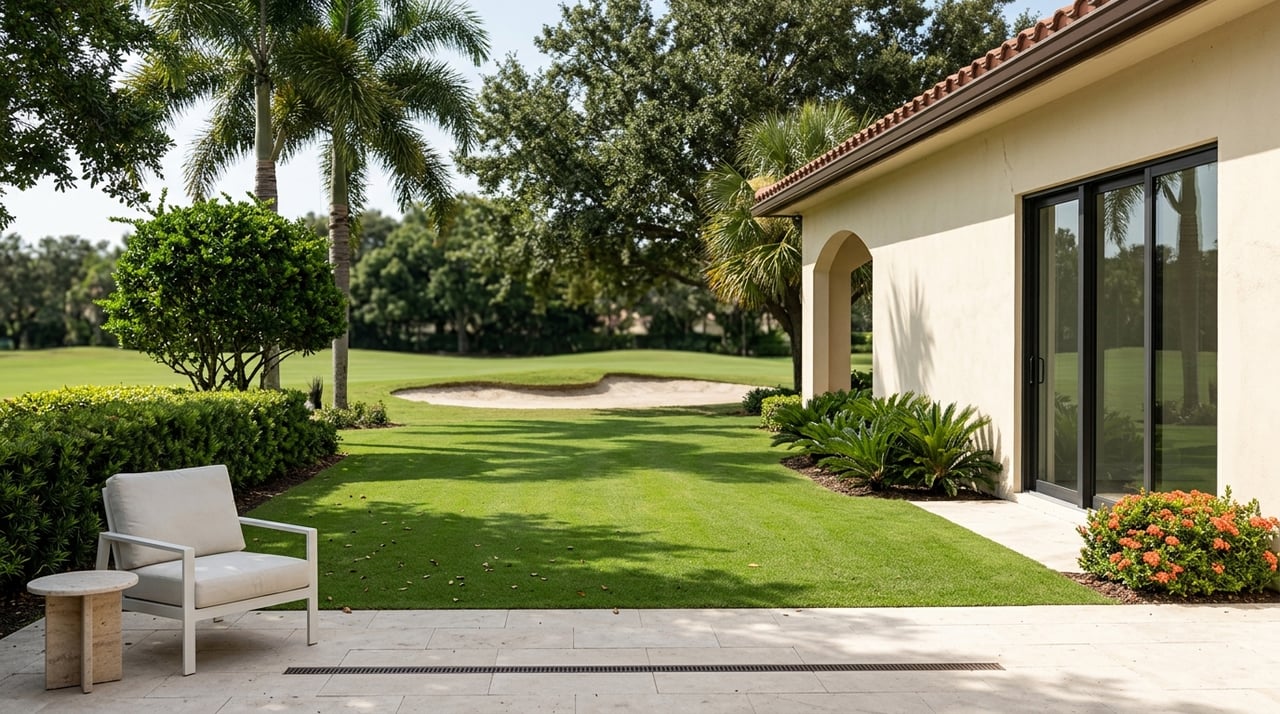
For homeowners, the practical implication is straightforward. A village adding family amenities and daily-use food options is a village whose long-term value proposition is broadening, not narrowing. The waterfront and golf identity is still intact. What is being added underneath is the everyday infrastructure that keeps a household here through school-age years rather than treating Tequesta as a second-home stop.
If you have been thinking about what your home is worth in a market where the buyer pool is genuinely widening rather than just repricing, that is a conversation worth having with someone who watches this village closely. The team at Bradley Hurst tracks these shifts at the street level and can give you a grounded read on how the changes on US-1 and at Tequesta Park are showing up in comparable sales on your block. Reach out for a home valuation when you are ready to see the number behind the trend.