Torn between a polished, move-in-ready home and a value-add project you can make your own? In Tequesta Pines, both paths are on the table, and the right choice comes down to how you balance time, budget, and long-term plans. You want a home that fits your life today and builds value for tomorrow. In this guide, you will see what “turnkey” really means here, what to check if you plan to renovate, realistic cost ranges, and how the POA and local permits shape your timeline. Let’s dive in.
Tequesta Pines at a glance
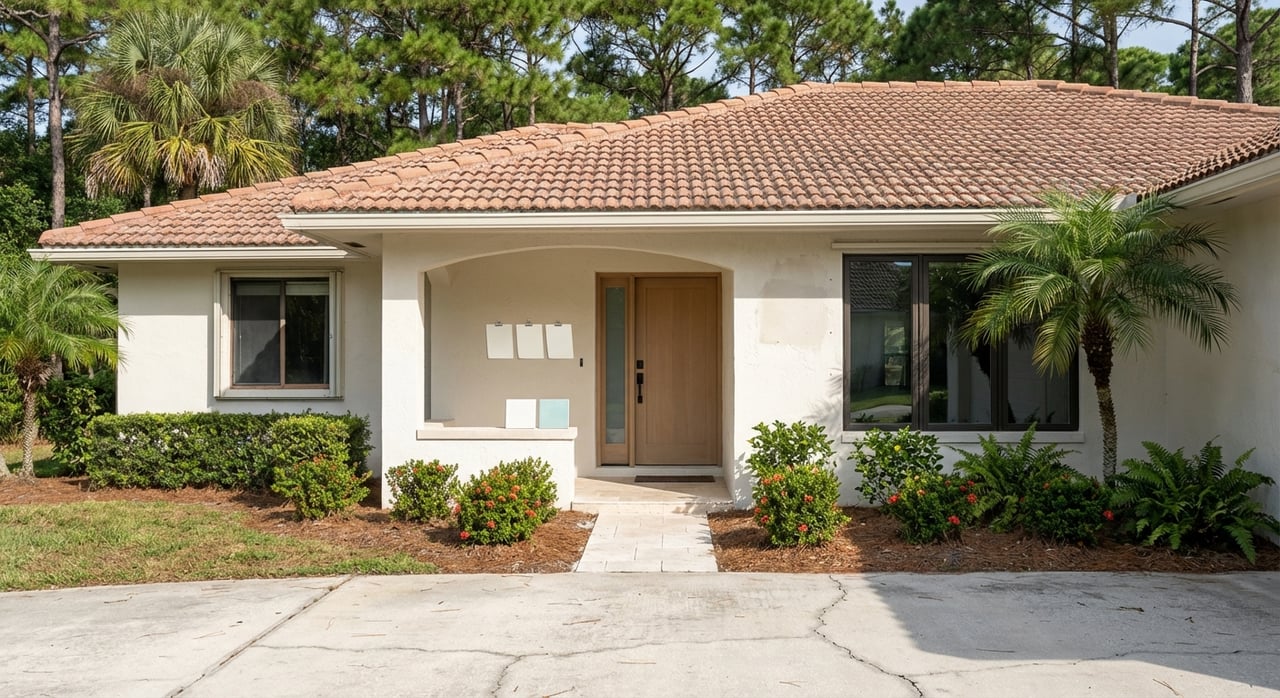
Tequesta Pines is a single-family neighborhood of about 222 homes with a Property Owners Association that oversees deed restrictions and architectural reviews. You should expect a range of homes built mainly from the late 1970s through the 1980s, with some later infill. Floor plans often include one-story ranch or split layouts with about 1,300 to more than 3,000 square feet under air. Lots commonly run from roughly 7,500 to 13,000 square feet, with some variation.
If you are planning exterior changes, start with the association. The Tequesta Pines POA manages architectural and design reviews, so it is smart to understand that process early. You can review association details and contact info on the official Tequesta Pines POA site.
What “turnkey” looks like here
Common upgrades you will see
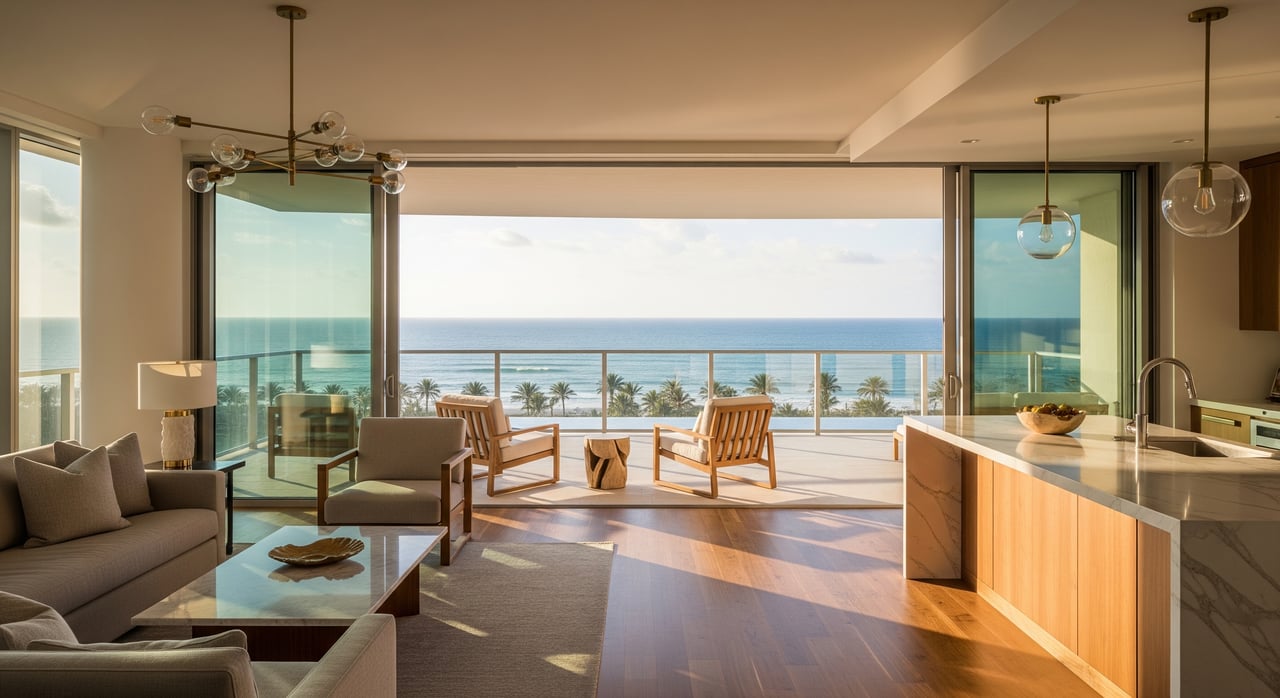
Turnkey listings in Tequesta Pines often highlight updated kitchens with quartz or granite, refreshed bathrooms, newer flooring, and recent system upgrades. Many renovated homes also feature impact-rated windows or storm shutters, newer A/C units, and refreshed roofs or roof coatings. Outdoor living spaces with screened patios and pools are common.
Benefits of choosing turnkey
- You can move in quickly with fewer immediate projects.
- Known condition at closing can simplify insurance and lender approval.
- Upgraded kitchens and baths help preserve future resale value.
Still verify the essentials
Even beautiful renovations need a check on the big-ticket items. Confirm roof age and permit history, recent A/C service dates, and whether the home has impact windows or approved shutters. Ask for documentation on any major remodels or additions.
Renovation potential: how to spot it
Quick red flags to check
- Roof: Look for curling or missing shingles and check for recent roof permits. Roof replacements are one of the largest single costs.
- A/C: Florida systems often reach the end of useful life around 10 to 15 years. Ask about age, efficiency rating, and service history.
- Windows and hurricane protection: Full-house impact window replacements can be a five-figure line item. Confirm current protection and any credits on insurance.
- Pool: Resurfacing, coping, and equipment can add up fast. If the pool looks tired, get quotes early.
- Termite/WDO and plumbing: Order a WDO inspection and check for moisture or older plumbing materials. These affect scope, timeline, and insurability.
Projects with strong resale signals
National and regional benchmarks suggest midrange kitchen and bathroom updates often deliver some of the best cost-to-value returns. For planning and ballpark expectations, you can use the Remodeling Cost vs Value data as a broad guide, then adjust to Palm Beach County pricing with local quotes.
Local cost ranges to plan around
- Roof replacement, asphalt shingles: roughly 9,000 to 20,000 for typical homes in Palm Beach County. Premium metal or tile usually costs more. See local context from Palm Beach roofing cost guidance.
- Central A/C replacement: around 5,000 to 15,000 depending on tonnage and efficiency. Review a helpful overview of remodel cost considerations from AmeriSave’s guide.
- Impact windows: installed averages often range from about 700 to 2,500 per window, with whole-house totals in the low five figures for many ranch homes. Learn more from impact window cost guides.
- Kitchen updates: midrange “refresh” projects often budget around 25,000 to 30,000, while a full gut remodel can run 80,000 or more, based on Cost vs Value.
- Bathroom remodels: a midrange primary bath often falls near 20,000 to 30,000, per Cost vs Value.
- Pool resurfacing: commonly 4,000 to 12,000 or more depending on finish and scope, according to this pool resurfacing guide.
Use these as ballpark ranges only. Always confirm current prices with 2 to 3 local contractors.
Permits, POA reviews, and zoning
Association oversight
Tequesta Pines has an active POA that conducts deed-restriction and architectural reviews. If you plan additions, exterior color changes, fences, or front hardscape, request the POA covenants and Architectural Review Board steps in advance. The official Tequesta Pines POA site is your starting point.
Village of Tequesta permits
Many interior and exterior projects require local permits, including roof work, window and door changes, interior renovations, pools, and A/C changeouts. You can view the current forms and submittal requirements on the Village of Tequesta building forms page. Verify the permit status on any past work and budget for permit lead times.
Zoning and lot coverage
If you are considering a large addition or a second story, pay attention to setbacks and lot coverage. The Village’s R-1 district has site regulations, and sources indicate a maximum lot coverage around 37 percent, which can limit footprint expansion. Review the zoning schedule and consult a planner early. You can reference the code overview on Zoneomics for Tequesta.
Flood, insurance, and resiliency
Insurance costs and requirements can vary by address. Confirm the FEMA flood zone for any property through the FEMA Flood Map Service Center. Ask the seller if an elevation certificate is available and speak with your insurance advisor about wind mitigation credits for impact windows, shutters, roof shape, and roof-to-wall connections. These items can affect both safety and long-term carrying costs.
Turnkey vs renovation: a simple framework
Ask yourself three questions to clarify your path:
- Timeline: Do you need to move in fast, or can you manage 1 to 6 months of projects?
- Budget: Would you rather pay more for a finished home, or buy below top-of-market and invest in targeted upgrades?
- Risk tolerance: Are you comfortable managing contractors, permits, and inspections, or do you prefer a lower-variance plan?
Example buyer paths
- Buyer A, wants minimal work: Choose a renovated home, then budget 5,000 to 25,000 for small cosmetic tweaks, appliances, and minor inspector notes. Confirm that major systems have at least several years of useful life.
- Buyer B, seeks value add: Buy an original-condition home and stage the project. Think roof and A/C first, then a midrange kitchen refresh and one or two baths, and add impact windows if the insurance math supports it. Total midrange programs often land between 75,000 and 200,000 depending on scope.
Financing renovations after closing
You can combine purchase and renovation funds in one mortgage with FHA 203(k) or a conventional option like Fannie Mae HomeStyle. FHA 203(k) has Limited and Standard variants with HUD oversight, while HomeStyle can cover a broad range of improvements. For current rules and limits on 203(k), review HUD’s 203(k) program page, and speak with a lender for today’s requirements.
Prioritize for the best results
- Safety and systems first: roof, structure, electrical, HVAC, and any termite or WDO issues. These protect insurability and financing.
- High-impact rooms next: midrange kitchen and main-bath updates typically give strong buyer appeal and solid benchmark returns per Cost vs Value.
- Windows and mitigation: impact windows or well-documented shutters can improve comfort, resilience, and marketability, and may influence insurance pricing.
- Pool and landscaping last: address once the essentials are covered, unless a pool is a core part of your lifestyle plan.
Your next step in Tequesta Pines
Whether you lean turnkey or you want to unlock value with thoughtful updates, the best move is a clear plan, strong contractor quotes, and early POA and permit checks. If you would like a tailored shortlist of homes that match your path, or a walk-through on ROI for specific upgrades, connect with Bradley Hurst for local guidance and a data-backed strategy.
FAQs
What does the Tequesta Pines POA review for renovations?
- The POA conducts deed-restriction and architectural reviews for changes like additions, exterior colors, and fences; start with the official site for covenants and steps.
How much does a new roof cost in Tequesta Pines?
- Asphalt shingle replacements for typical homes often run 9,000 to 20,000 in Palm Beach County, with metal or tile costing more, based on local roofing guidance.
Do I need impact windows, or are shutters enough?
- Both can provide hurricane protection; impact windows can be a five-figure project, while shutters may offer insurance credits if documented, so compare costs and savings.
How do zoning and lot coverage affect additions?
- R-1 zoning standards and a maximum lot coverage around 37 percent can limit footprint expansion, so confirm setbacks and coverage before planning large additions.
How can I finance renovations when I buy?
- Consider FHA 203(k) or a conventional renovation loan like HomeStyle to bundle purchase and improvement costs into one mortgage, subject to current lender rules.